

Step 1 of 3
Record the shape
Measure both squares dry and note their diagonals. Identify every fiber and trim before considering a wet or heat treatment.
Compare an untreated sample with a gently shaped one before choosing a finish for finished work.
Work the steps ↓ Browse 9 techniques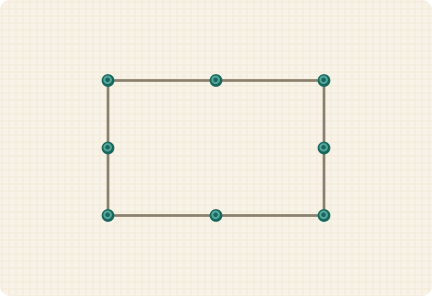
Measure both squares dry and note their diagonals. Identify every fiber and trim before considering a wet or heat treatment.
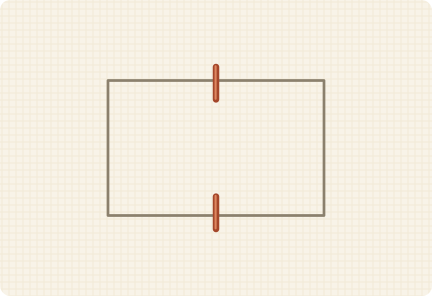
On a washable sample only, follow the material’s care instructions. Press it in a clean towel and arrange it to the recorded dimensions.
Pin opposite sides evenly, let the square dry completely and compare its outline, texture and color with the untreated control.
Stop the trial and leave the finished piece untreated until its materials and care requirements are established.
Baste the motif if that will hold the edge in position. For a project that needs adhesive, test a textile product intended for both fabrics on a spare sample and check the result after the intended care process.
Keep one swatch untreated. Apply a compatible textile finish to a second sample according to its directions. Compare hand, color and stiffness after it dries before treating the project.
Check the fiber and maker’s care instructions first. Support a new washable swatch throughout washing and drying. Measure it again when dry and compare the mesh openings with an untreated sample.
Inspect for broken threads, repairs and unstable color before handling. Support the whole piece flat. For antique or fragile lace, seek textile conservation advice before introducing water or heat.
Use a spare length with matching thread and structure. Compare a small amount of a compatible finish with an untreated control, paying attention to whether the openings remain clear.
Check the care instructions and test on a separate offcut. Place raised work face down on a padded surface with a pressing cloth. Compare the relief after the sample has cooled.
Mark the finished dimensions on a blocking surface. For material suitable for blocking, set opposing points first with rustproof pins and fill the gaps evenly. Release only after the piece is dry.
Work all the intended colors together on a matching scrap. Follow their care instructions and use a clean white towel to detect color transfer. Stop if a dye moves.
Wind a short length of each working thread on a labeled card. Record fiber, weight, color, care instructions and the fabric count. Add a stitched swatch so a future substitution can be compared directly.

From $20.00

From $20.00

From $60.00

From $70.00

From $39.99

From $40.00