
The StitchArt learning library
Build your skills,
one stitch at a time.
Find a starting point, explore stitches and materials, and work through the details that make a project your own.
Explore the library
120 articles
Guide
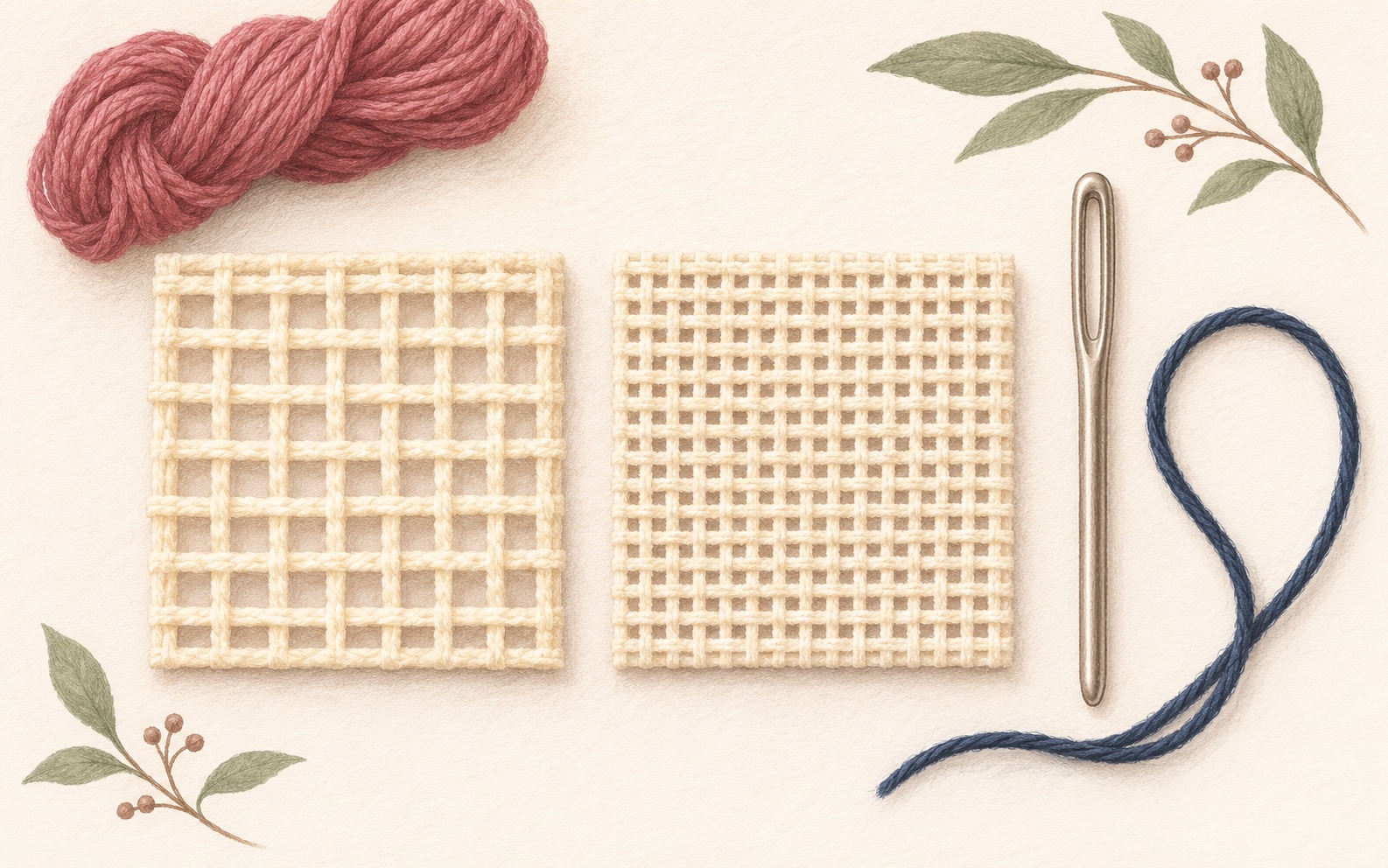
13 versus 18 mesh: choosing the right scale
Calculate how 13 and 18 mesh change a design’s size and detail, compare fixed-size and fixed-count examples, and choose a practical setup.
Project
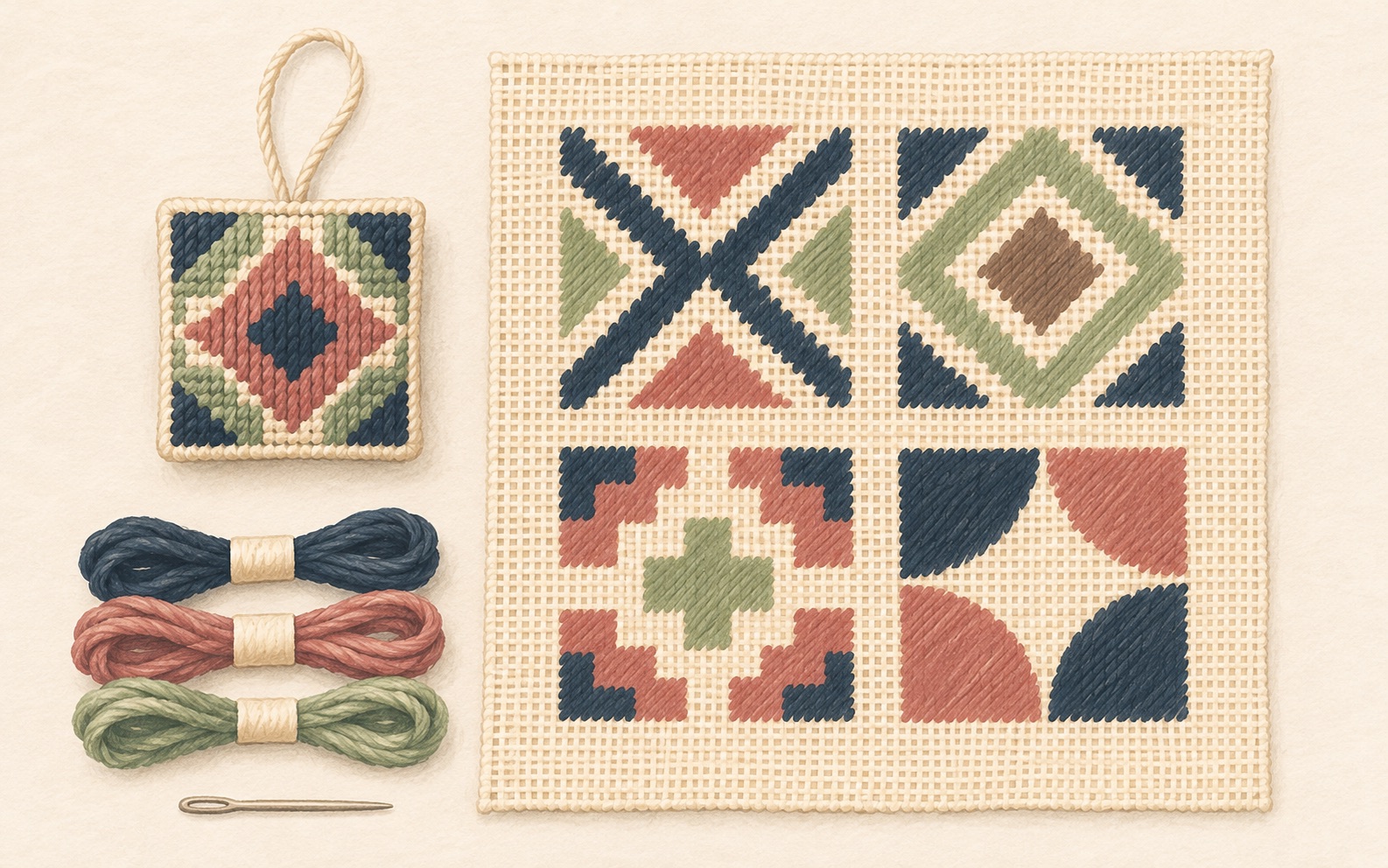
A 13 and 18 mesh comparison sampler
Build a four-patch 13/18 mesh sampler, compare equal stitch counts and equal physical areas, and use a printable record.
Troubleshooting case
A broken canvas thread
Assess a broken needlepoint canvas thread without enlarging the damage. Identify edge damage, cut intersections, and the information needed for repair.
Troubleshooting case
A new skein looks different
Compare a replacement needlepoint skein for product identity, dye lot, lighting, sheen, and wear before joining it to a large stitched area.
Troubleshooting case
A project stalled halfway through
Restart a stalled needlepoint project with a practical inventory, diagram check, thread comparison, and a small first session that restores momentum.
Troubleshooting case
A stain on an unfinished canvas
Assess a stain on unfinished needlepoint without making it worse. Gather material and stain details, protect the work, and choose the right next step.
Stitch
Basketweave tent stitch
Work a numbered basketweave field, understand its alternating reverse structure, and handle row turns and a stepped boundary.
Material
Beads and embellishments on canvas
Check bead spacing, needle passage, attachment thread, support, and finishing clearance before adding embellishments to canvas.
Guide
Blocking: decide before adding moisture
Decide whether blocking is appropriate before adding water or heat, with a material decision table and a concrete finisher handoff.
Guide
Budgeting for canvas, thread, and finishing
Build a practical budget for canvas, thread, reusable tools, finishing, shipping, and contingencies without assuming a kit includes everything.
Material
Building a materials test card
Record canvas, thread, needle, stitch, preparation, observations, and limitations on a useful materials test card with a worked planning example.
Troubleshooting case
Bulky thread ends on the back
Reduce bulky needlepoint backs by identifying overlapping anchors, knots, and tails. Learn what can be adjusted safely before finishing.
Troubleshooting case
Canvas pulling out of square
Diagnose distorted needlepoint canvas by checking the frame, grid, thread tension, carries, and stitch path before considering blocking.
Troubleshooting case
Canvas showing through unexpectedly
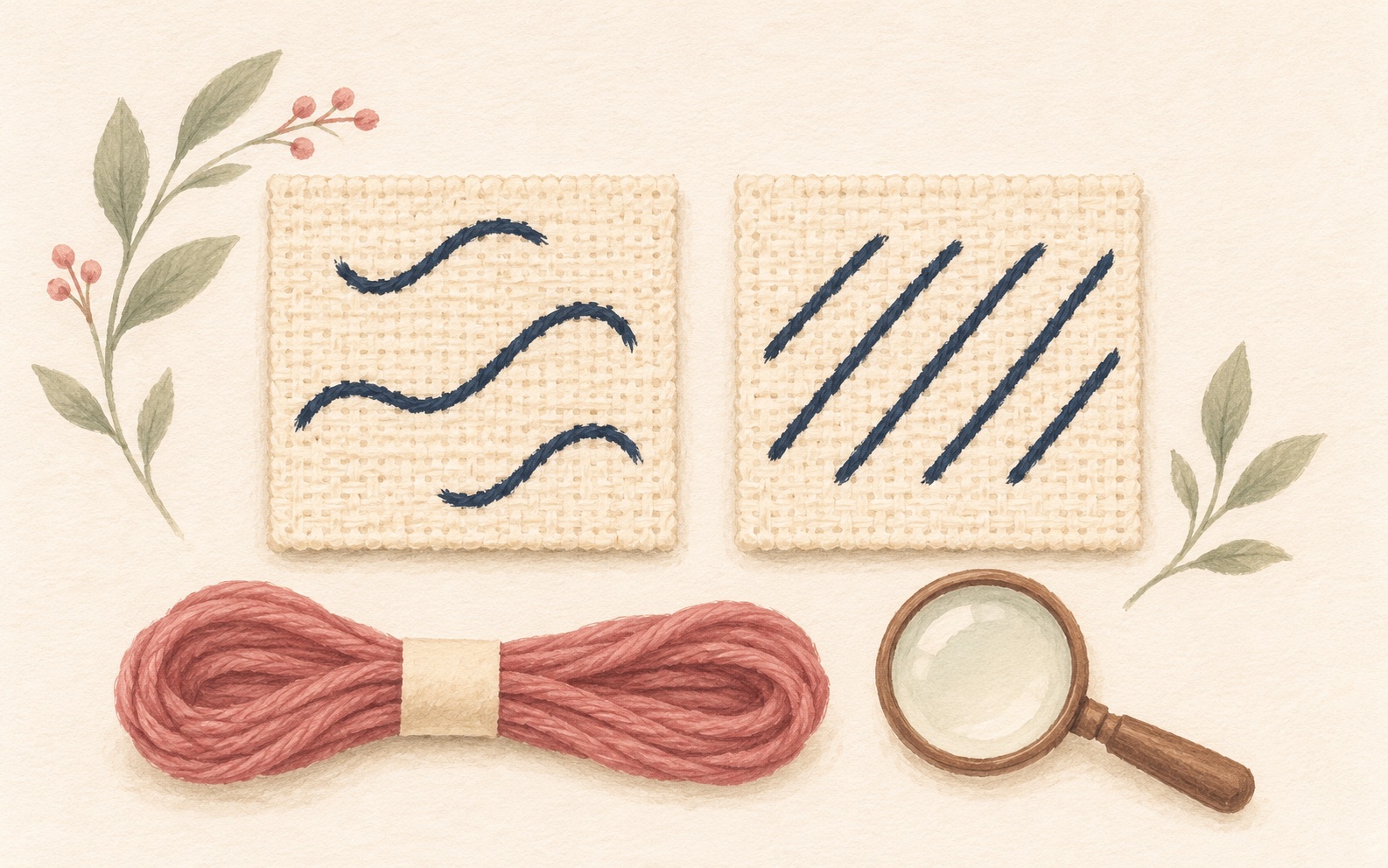
Diagnose unexpected canvas gaps with a symptom table, a controlled coverage check, and clear limits on adding thread or removing stitches.
Material
Canvas sizing and stiffness
Understand why canvas feels stiff, how support affects handling, and why washing or softening a painted canvas is not a routine preparation step.
Guide
Changing colors without long carries
Choose when to carry, anchor, or restart needlepoint thread between small color areas, keeping tails hidden and avoiding tension problems.
Guide
Checking a project before calling stitching complete
Check missed stitches, loose tails, canvas shape, dimensions, labels, and finishing instructions before declaring the stitching complete.
Guide
Choosing a first needlepoint project
Choose a first needlepoint project by comparing design complexity, mesh, included supplies, finishing needs, and a practical buying checklist.
Guide
Choosing a photo for a custom needlepoint canvas
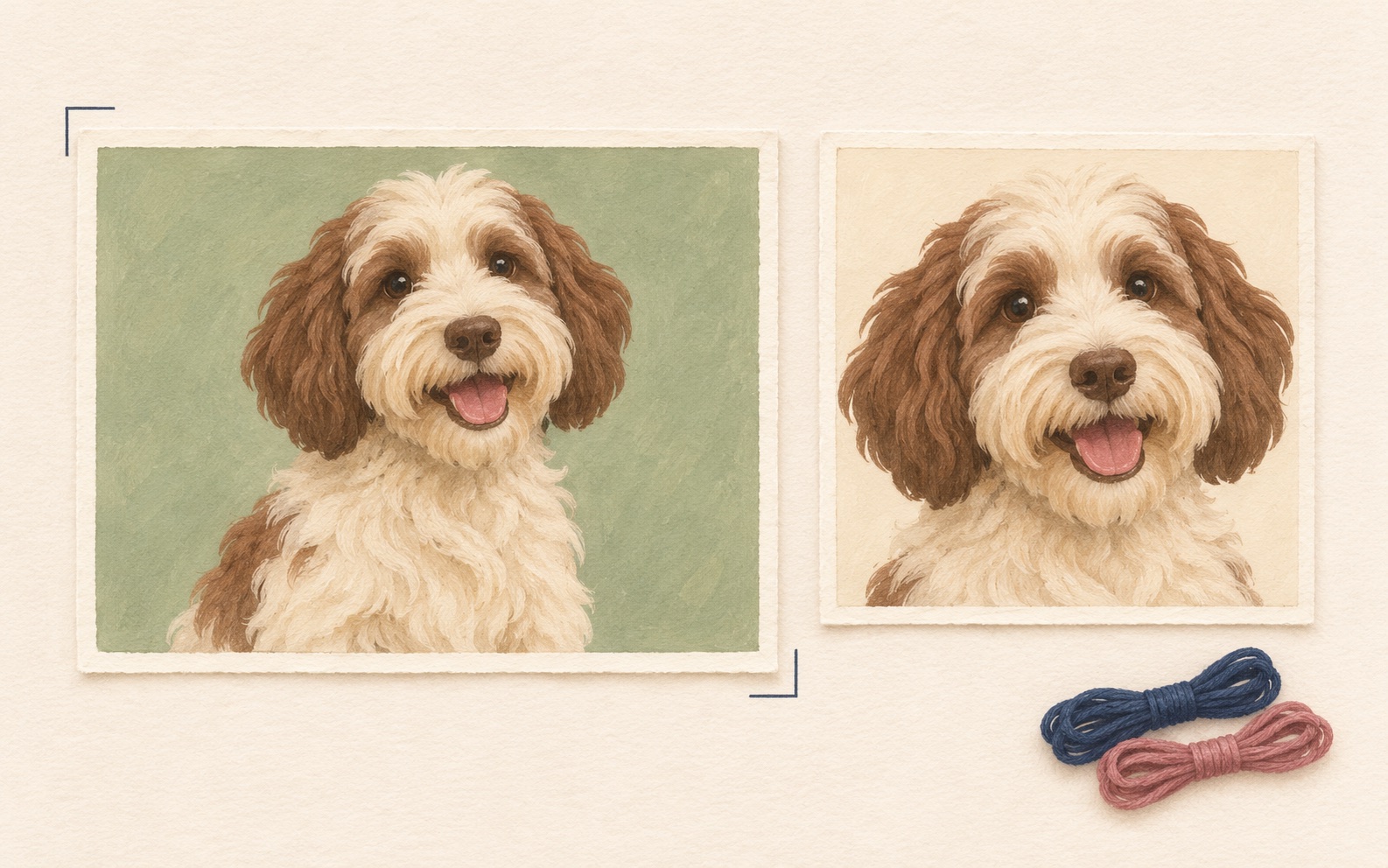
Choose a custom-canvas image by checking subject size, contrast, crop, and the number of stitch positions available at 13 or 18 mesh.
Material
Choosing a tapestry needle
Select a tapestry needle by checking the point, eye, thread passage, and canvas response rather than relying on mesh count alone.
Guide
Choosing open background stitches
Decide when an open needlepoint background is appropriate. Compare T-stitch with full coverage and plan canvas color, spacing, and thread carries.
Guide
Choosing quiet background stitches
Choose a quiet needlepoint background using contrast, repeat size, and sheen. Compare basketweave, mosaic, and Nobuko around a focal design.
Guide
Choosing stitches for brickwork
Plan needlepoint brickwork with aligned courses, readable mortar, and a counted wall example. Learn when tent stitch is clearer than a decorative repeat.
Guide
Choosing stitches for fabric and clothing
Choose needlepoint stitches for clothing with a clear plan for folds, knitted texture, smooth fabric, and small details on 13 and 18 mesh.
From your first canvas to a finished piece
Start with the foundations, build a small vocabulary of stitches, learn to shape them at the edges, and plan your finishing from the beginning.
- Your first canvas
- Basic stitches
- Decorative stitches
- Compensation
- Finishing